Designing a chip’s network when timing comes hours late
Timing results arrive hours after an agent’s session ends. We built a NoC designer’s know-how into the agent, so it can judge timing while it still designs.
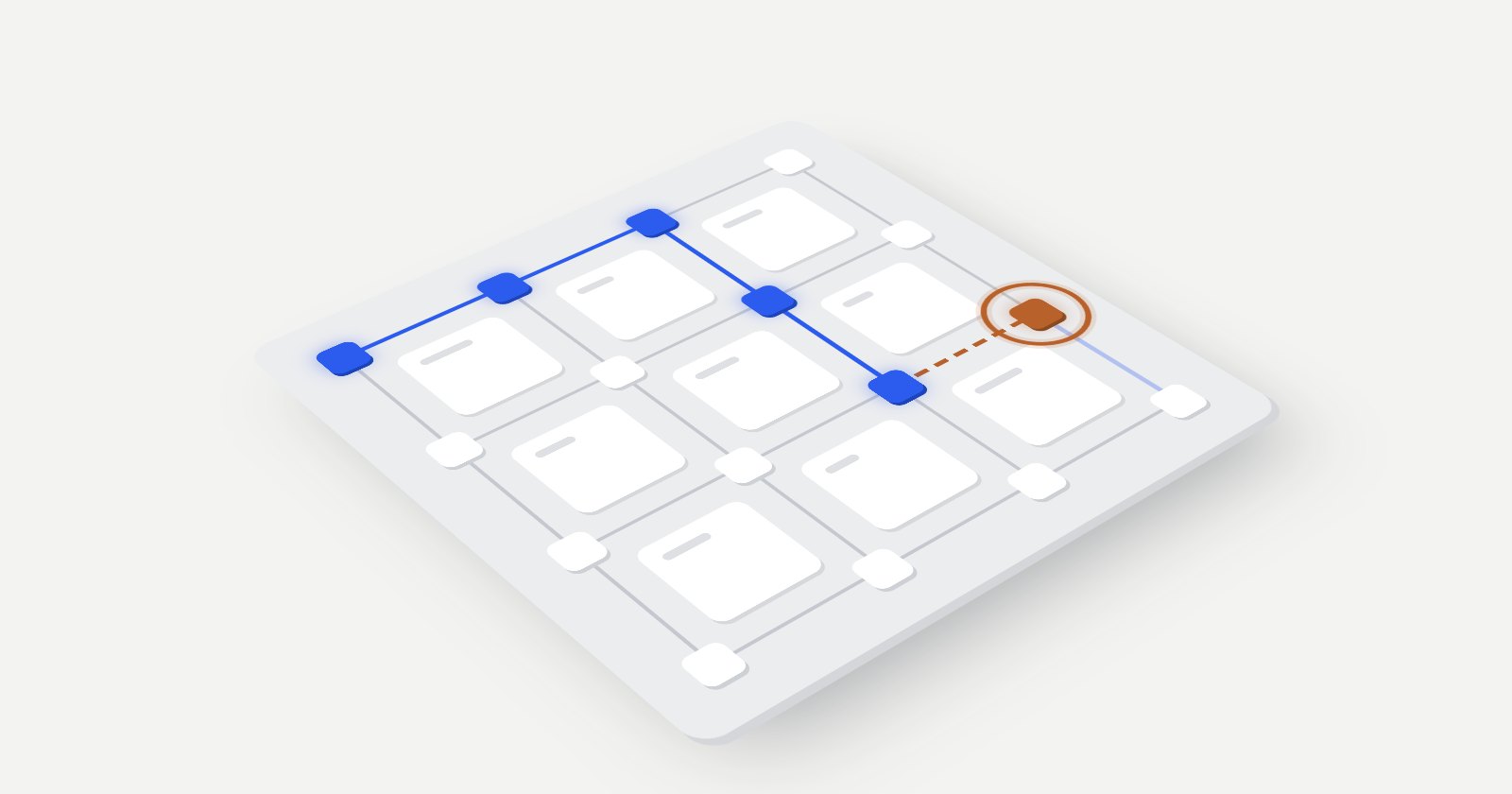
Timing comes too late for an agent to learn from
A network on chip (NoC) carries traffic between the blocks of a chip. On a large SoC it is designed for that one chip: the designer picks the routers, the links, the routes and the buffers, and a generator turns those choices into RTL. The choices pull against each other, so every repair moves several constraints at once.
Coding agents learn by trying, and software answers in seconds. A NoC does not. Simulation says in minutes whether the network carries its traffic. Whether its routers meet timing is known only after place-and-route, often hours later and usually after the agent’s session has ended.
So the agent designs blind
A network can carry all its traffic in simulation and still miss timing, and nothing in the session says so. A model cannot know that timing from what it has read. It depends on the process and the tool flow, and it has to be measured.
We gave the agent what an experienced designer knows
An experienced NoC designer does not wait for place-and-route. They know early which choices will close timing, and they check the network as it will really be built. We kept the model and built that knowledge into the agent with tools of our own: a fast check of the network as it would sit on the chip, long wires included, and a table of how fast each kind of router can run, measured once in advance. Useful timing answers now arrive while the agent can still act on them.
The model still makes every design choice
Knowledge alone does not design a network, and a model alone does not know timing. The agent works when the model’s judgment meets fast answers about the network it is actually building.