Why AI agents believe their own wrong fixes
A test written by the agent that wrote the fix tends to agree with it. We built a verification engineer’s habits into the agent, so it checks a fix the way an engineer would.
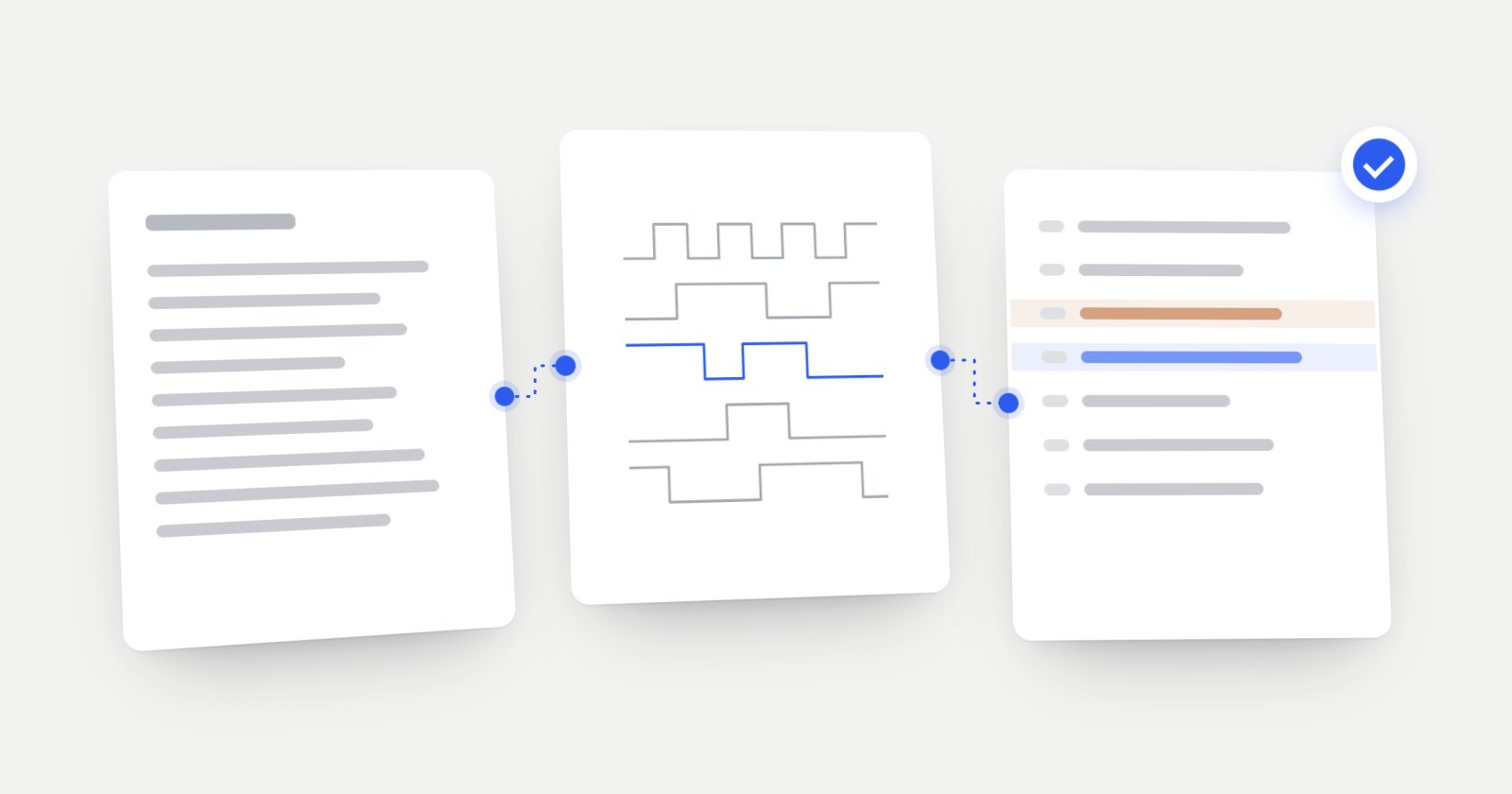
Verification know-how has to be built into the agent
A coding agent is a model with instructions, tools and checks around it. Today those carry general software habits: search the code, run the tests, edit the files.
Hardware verification asks for more. An experienced verification engineer knows how the design came to be the way it is, measures instead of guessing, and checks every place a change reaches before calling a bug fixed. An agent starts every session fresh, so it cannot pick this up on the job. It has to be built in.
An agent’s own test tends to agree with its own fix
A test written by the agent that wrote the fix shares its reading of the bug. If that reading is wrong, the fix and the test are wrong together, and the check passes. From the inside, a wrong fix can look finished.
An engineer checks where a fix reaches
An experienced engineer asks more than whether the reported spot is fixed: what else has to change with it, what must stay as it was, and whether the new logic is right.
We rebuilt the agent around how verification engineers work
We kept the model and rebuilt the agent around how an experienced verification engineer works. Each piece of that know-how reaches the agent at the step where an engineer would use it, not as one long set of instructions at the start.